
Surry Hills: The Suburb Caught Between Grit, Growth and a Fight for Its Soul
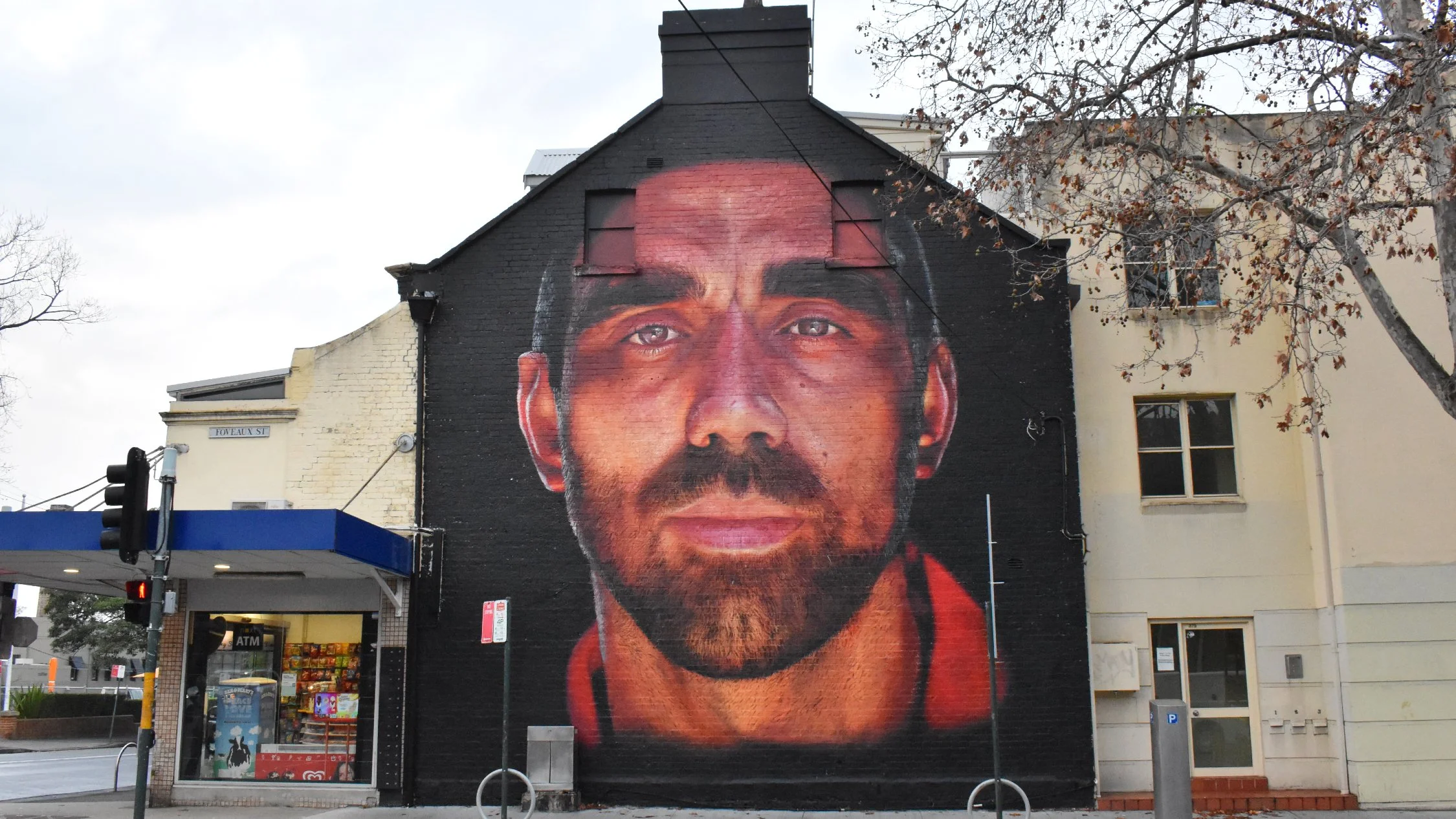
Surry Hills has always been a suburb of contrasts — terrace houses and tech offices, Michelin-starred dining and corner pubs, fashion studios and families. But right now, the tension in these contrasts is sharper than ever. Redevelopment is accelerating, money is moving fast, and locals are pushing back. The result? One of Sydney’s most fascinating inner-city identity battles.
This isn’t a story about cafés. It’s a story about a suburb trying to work out what — and who — it’s becoming.
The New Surry Hills: A Developer’s Dream or a Community on Edge?
Walk down Crown Street today and you can feel the pressure. Shopfronts are changing hands, planning applications are rising, and huge private money is flowing in. Recent approvals have triggered a quiet land-grab as developers position themselves for “the next era” of Surry Hills.
But talk to long-time locals and the tone shifts.
“I love the energy here… but every year I lose a little more of the suburb I moved into,”
says Pia, who has lived on Goodlet Street for 23 years.
Her biggest concern isn’t the new apartments themselves — it’s sunlight, privacy, and the creeping sense that character is becoming a casualty of progress.
It’s not paranoia. A recent redevelopment on Commonwealth Street triggered dozens of objections centred on overshadowing and mental health implications tied to loss of natural light. The conversation about “density” in Surry Hills isn’t theoretical; it’s deeply personal.
Big Money Arrives - And It’s Not About It’s Quiet Intentions
The suburb’s transformation isn’t just driven by local investors. One of the most talked-about property moves this year was the $110 million purchase of Marlborough House — led by James Packer.
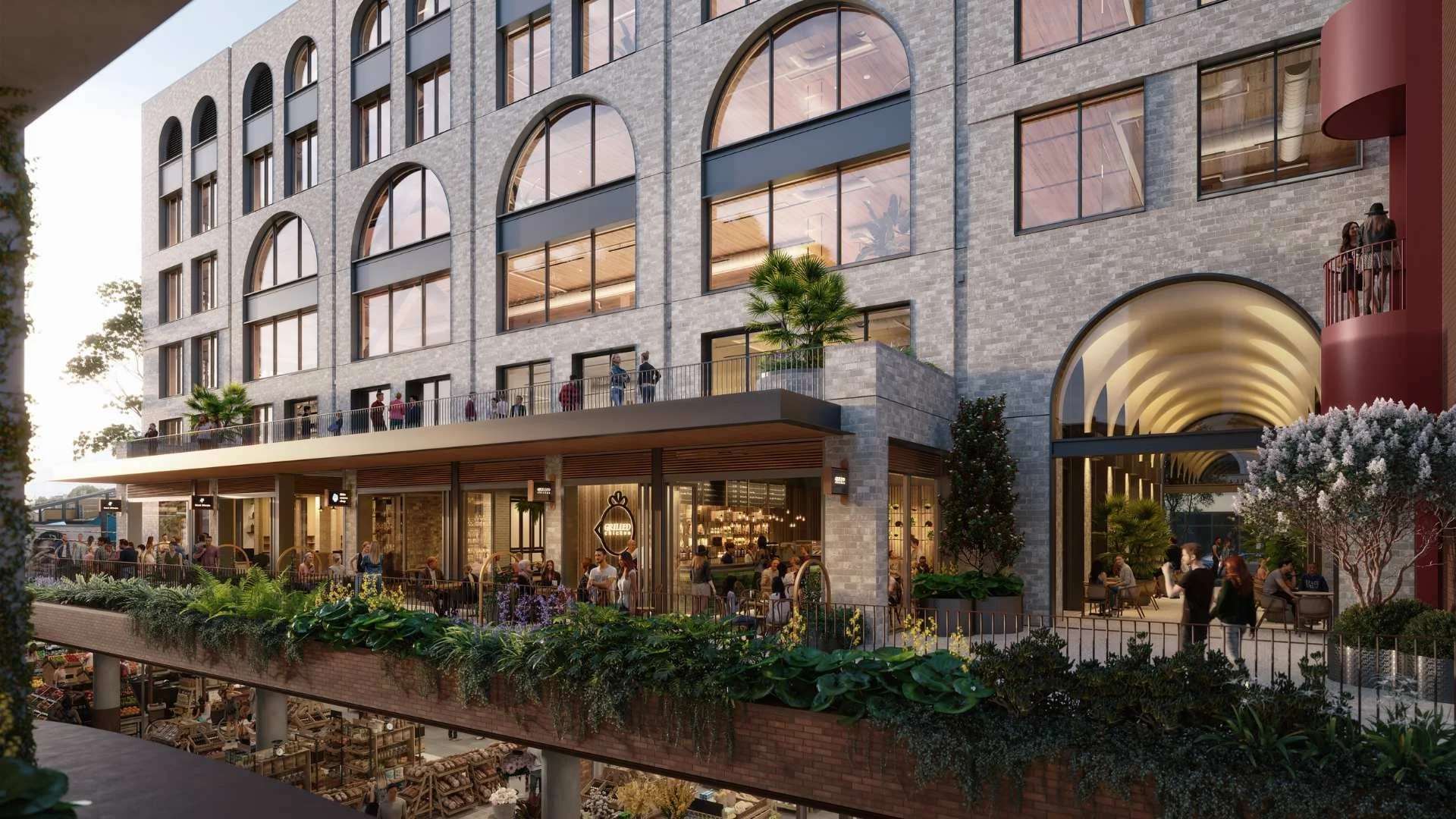
The plan? A major mixed-use redevelopment with around 150 luxury apartments and a slice of “affordable housing.” It’s a project that sets the tone for what developers believe Surry Hills should be: polished, high-yielding, prestigious.
Speak to property analysts and they’ll tell you this:
“Surry Hills is no longer alternative — it’s aspirational.”
The numbers agree.
House prices have climbed nearly 8% in the last year, and the commercial market is booming thanks to creative industries moving into flexible, character-rich office spaces.
Surry Hills is becoming a work-live-play hub for the hybrid workforce, and developers are capitalising on it.
The Rise of the Creative Commercial Market
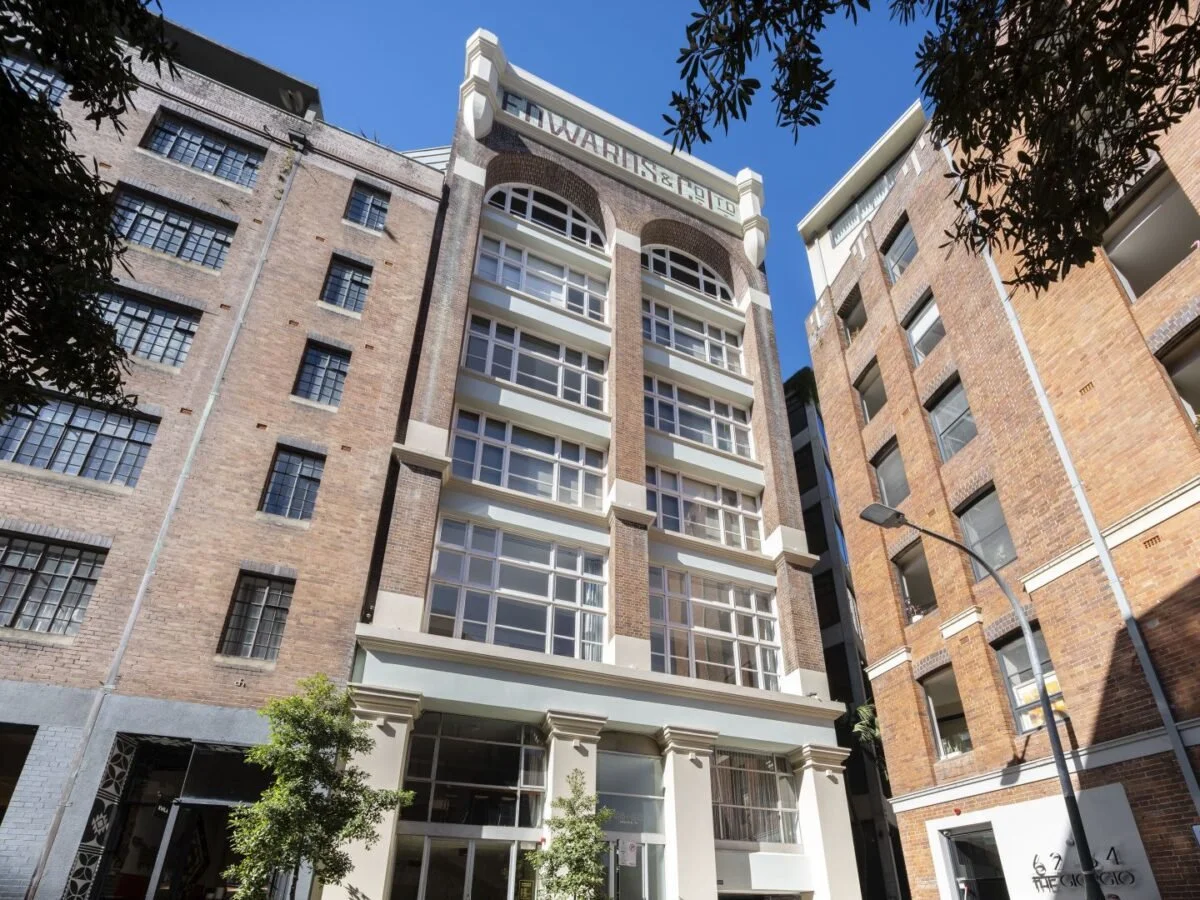
The suburb’s old warehouses — once home to fashion labels and artists — are being reimagined as boutique office spaces with exposed brick, timber beams and a price tag to match. Leasing agents report strong demand from:
media and marketing agencies
UX and product design studios
startup advisory firms
boutique financial groups
This influx is reshaping daytime culture in Surry Hills. Crown Street cafés now serve laptop workers as often as locals. Lunchtime foot traffic has surged. And many terrace homes are quietly being positioned as “commercial conversion opportunities.”
It’s a subtle shift, but an important one.
A Suburb of High Appeal… and High Contradictions
For every new rooftop, there’s someone worried about what’s disappearing.
For every influx of renters and creatives, there’s a family wondering how long they can afford to stay.
For every investor excited about yields, there’s a neighbour asking whether more density means more crime — not an idle question in a suburb with some of the highest incident rates in inner Sydney.
And yet…
There’s something uniquely resilient about Surry Hills. It absorbs change like few suburbs can. It reinvents, it reshapes, it bends — but it rarely breaks.
The Question Everyone Is Asking
Where is Surry Hills heading?
A luxury enclave?
A creative capital?
A rental-heavy, high-density inner city engine room?
A village — or a vertical neighbourhood?
The truth is: it’s becoming all of these at once.
And that’s what makes it compelling. For buyers, investors, tenants and long-time locals, Surry Hills is no longer just a postcode — it’s a conversation about what Sydney wants to be.
Why This Matters for Buyers and Sellers Right Now
If you’re buying:
Look closely at micro-pockets. Light, heritage controls, traffic flow and existing character protections make some streets far more insulated from change than others.
If you’re selling:
Your story matters. Homes with charm, history or creative conversion potential are commanding strong emotional premiums.
If you’re investing:
Units provide superior yield. Houses provide long-term capital growth. Commercial assets are booming — especially anything with “creative” bones.
If you’re already here:
Your voice genuinely shapes the future. Community objections have been influencing planning outcomes more in Surry Hills than almost anywhere else in inner Sydney.
Surry Hills isn’t gentrifying — it’s negotiating.
It’s negotiating its identity
its growth
its energy
and its soul.
And that makes it one of the most interesting suburbs in Sydney right now.